
Thursday, September 24
St. Nicolas Church, 8.00 p.m.
“Clematis benefits from support from WBI for the organization of the travels.”
Ensemble Clematis
Stéphanie de Failly, violin
Amandine Solano, violin
Samantha Montgomery, viola
Jorlen Vega Garcia, viola
Marion Martineau, bass viola da gamba
Brice Sailly, organ
Paul Figuier, countertenor
Bach`s Sources
Heinrich Schütz
Erbarm dich mein O Herre Gott
Franz Tunder
Salve mi Jesu
David Pohle
Sonata in F major G. 15
David Pohle
Herr, wenn ich nur dich habe
Johann Christoph Bach
Ach, daß ich Wasser`s g`nug hätte
Johann Michael Bach
Sonata a 4
Johann Sebastian Bach
Widerstehe doch der Sünde, BWV 54
Aria: Widerstehe doch der Sünde
Recitativo: Die Art verruchter Sünden
Aria: Wer Sünde tut, der ist vom Teufel
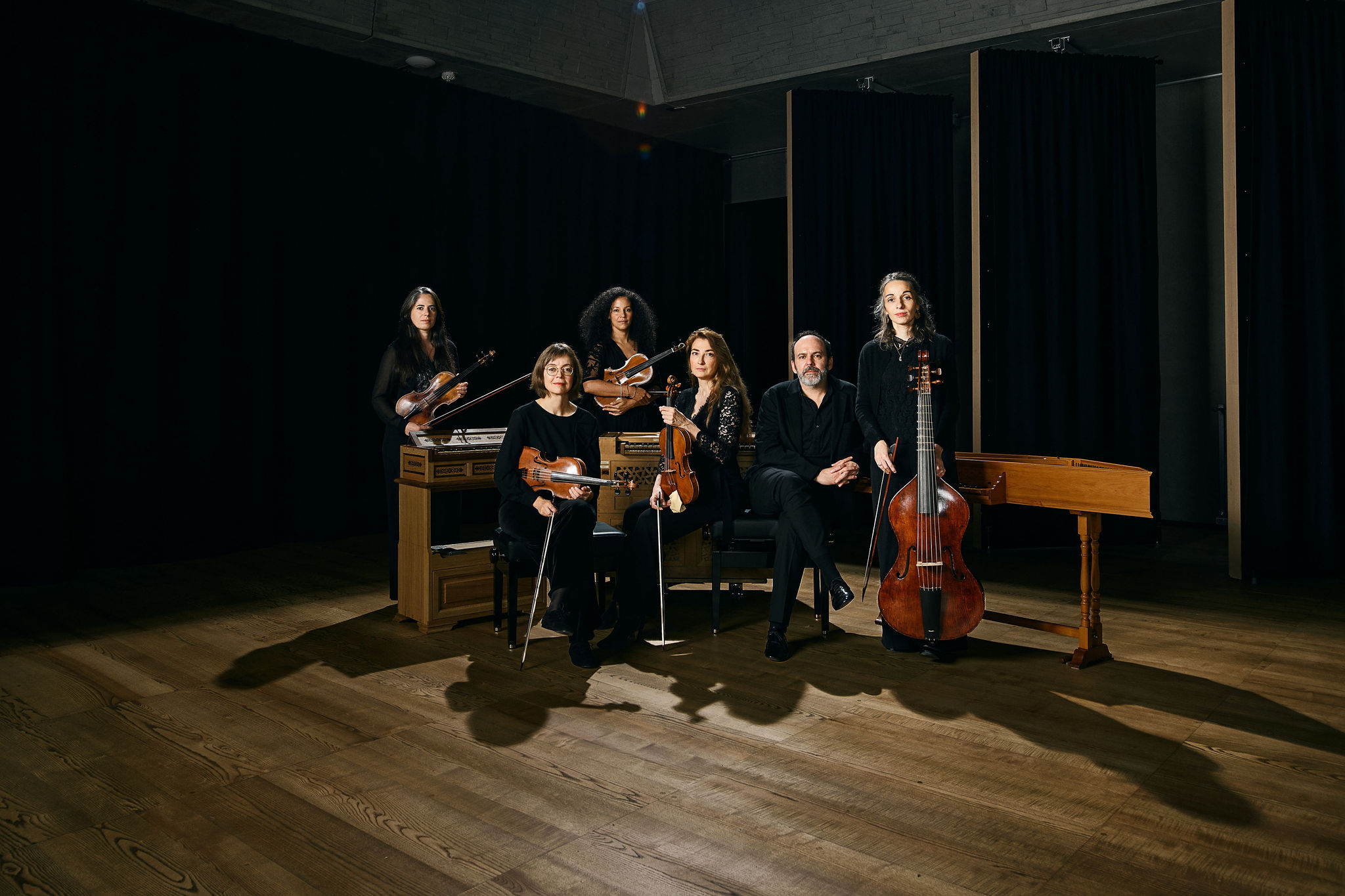
Violinistica Stéphanie de Failly founded Clematis in 2001 with the aim of exploring the lesser-known repertoire of the seventeenth century. The ensemble is particularly committed to seventeenth-century Italian instrumental music and, above all, to the development of the violin repertoire, as reflected in its recordings of works by Carlo Farina, Giovanni Battista Vitali and Tomaso Antonio Vitali. Stéphanie de Failly has also recorded Vitali's celebrated Ciaconna for Ricercar. In 2016, the ensemble released a recording devoted to the music of Giovanni Legrenzi, followed a year later by a CD of instrumental music from the Mantuan court, issued as part of the Monteverdi anniversary year. Another important focus of the ensemble is German sacred and instrumental music from the early seventeenth century to the first works of J. S. Bach. These vocal programmes regularly feature outstanding soloists, including Julie Roset, Paulin Bündgen, Zachary Wilder and Philippe Favette. Alongside a rich repertoire of seventeenth-century Italian music, as well as French and German works from the same period, the ensemble pays particular attention to neglected works by composers from the historical Low Countries, including Nicolaus à Kempis, Carolus Hacquart and Giuseppe Zamponi. In this context, Clematis prepared the first modern performance of Zamponi's opera Ulisse nell'isola di Circe, which was subsequently recorded for Ricercar under the direction of Leonardo García Alarcón.
The size of the ensemble varies according to the repertoire being performed, and its musicians regularly collaborate with many of Europe's leading Baroque ensembles. Alongside its regular appearances in Belgium, Clematis performs frequently abroad and has appeared in France, Germany, the Netherlands, Israel, Italy, Spain, Poland, Bolivia, Mexico and Russia. The ensemble is directed by Stéphanie de Failly and harpsichordist Brice Sailly. Clematis also collaborates with other ensembles, most notably the Namur Chamber Choir. It is in residence at the Grand Manège in Namur and receives a Creation Grant from the Fédération Wallonie-Bruxelles (FWB).
© Antoine Mélis
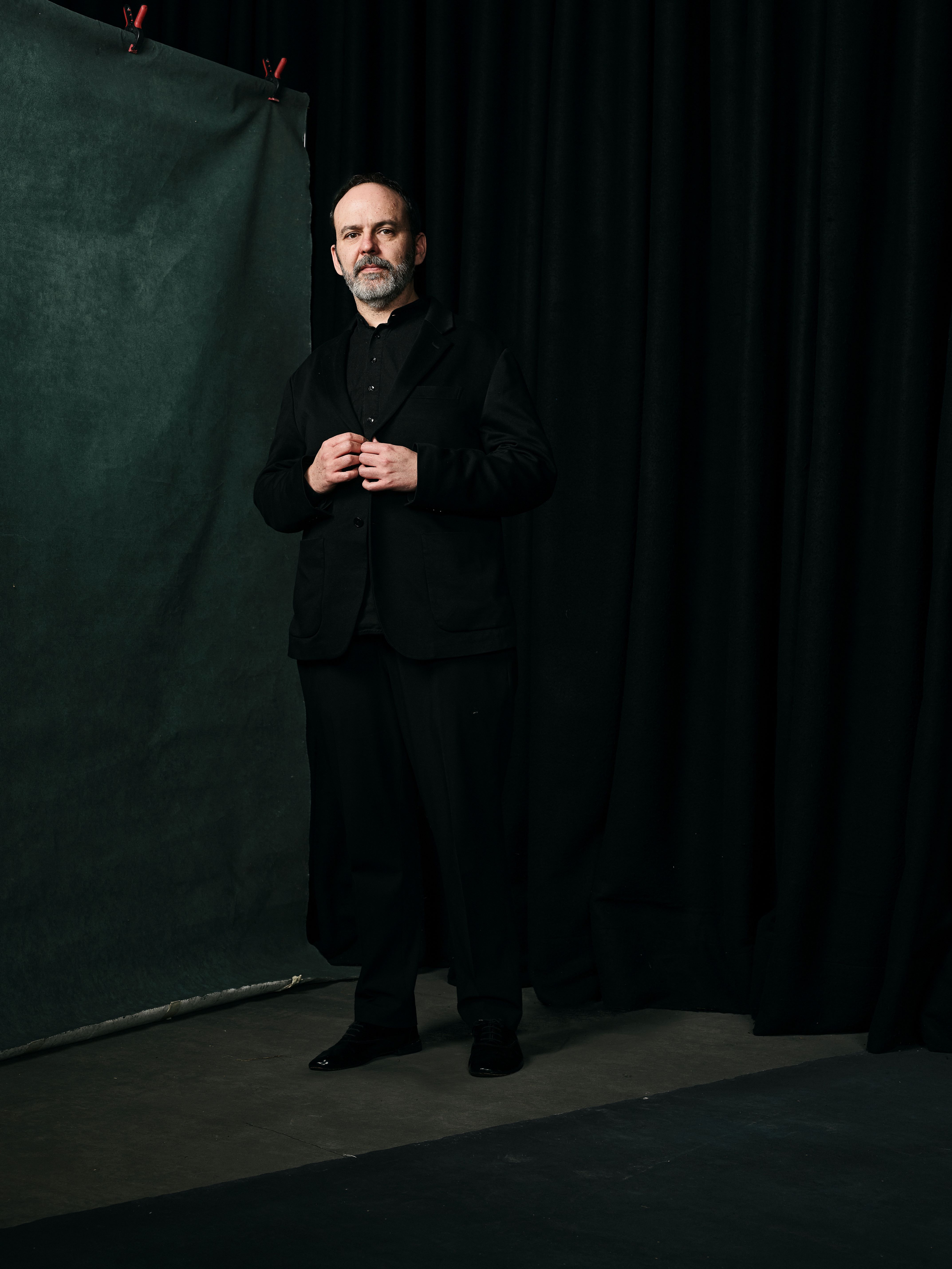
Harpsichordist, organist and conductor Brice Sailly graduated from the Conservatoire National Supérieur de Musique et de Danse de Paris. As a soloist and recitalist, he performs at leading concert halls and festivals, including the Festival de La Roque d'Anthéron and La Folle Journée in Nantes, and has appeared in cities around the world, including Rome, Reykjavík, Buenos Aires and Tokyo. He has also held a research residency at the Fondation Royaumont. A sought-after continuo player, vocal coach, and assistant, he collaborates with numerous ensembles, including Artaserse (Philippe Jaroussky), Les Accents (Thibaut Noally), Amarillis (Héloïse Gaillard), Les Ombres (Margaux Blanchard and Sylvain Sartre), Le Banquet Céleste (Damien Guillon), and Les Musiciens de Saint-Julien (François Lazarevitch). As the leader of his own ensemble, La Chambre Claire, he recorded a programme dedicated to François Couperin for the label Ricercar / Outhere Music, earning distinctions such as Choc de Classica and 5 Diapasons. He is also invited to conduct ensembles such as Artaserse in Orfeo by Giovanni Antonio Sartorio (stage direction by Benjamin Lazar), as well as Clematis and the Chœur de Chambre de Namur.
Deeply involved in pedagogy and research, he contributes to the publication series Découvertes of the Centre de musique baroque de Versailles (CMBV), and serves as Pedagogical Director of Arcal's young artist development programme, Jeune Scène Lyrique. He also teaches at the Jeune Orchestre Baroque Européen and holds a teaching qualification. He teaches harpsichord and continuo at the Conservatoire à Rayonnement Régional de Saint-Maur-des-Fossés.
© Léna Pinon Lang
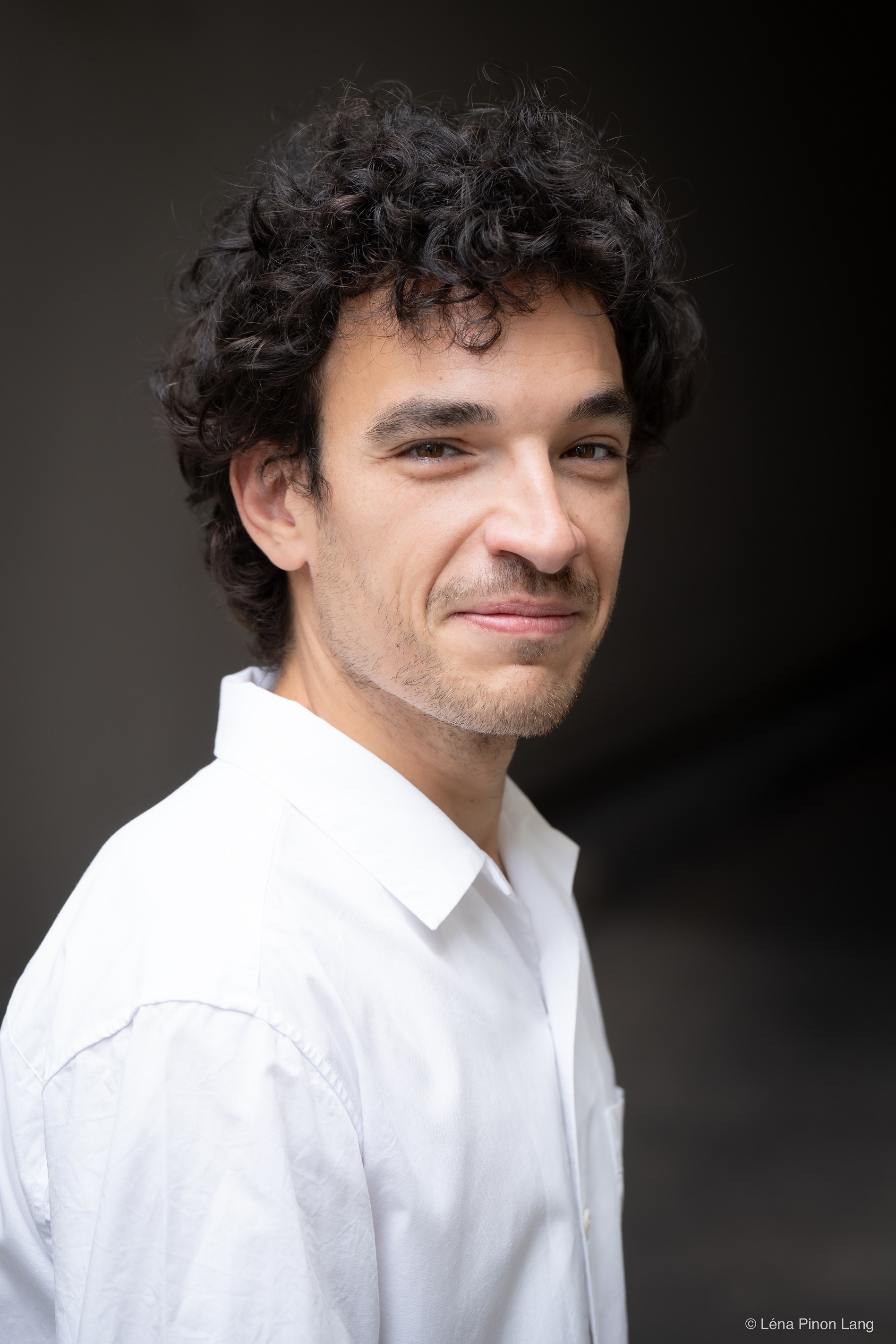
Paul Figuier is one of the most promising countertenors of his generation, admired for his impressive vocal range, expressive artistry and refined singing style. After studying at the Centre de Musique Baroque de Versailles, he continued his training at the Conservatoire à Rayonnement Régional de Paris before graduating from the Conservatoire National Supérieur de Musique et de Danse de Paris. During his studies, he collaborated with distinguished conductors including Christophe Rousset, Hervé Niquet, Masaaki Suzuki, Laurence Equilbey, Alain Altinoglu and Leonardo García Alarcón. He quickly established himself through collaborations with leading early music ensembles such as Correspondances, Le Caravansérail, Amarillis, La Capella Mediterranea, Atelier Lyrique de Tourcoing and Pygmalion. He has appeared in prominent operatic roles in works by Cavalli, Handel, Monteverdi and Stradella, performing at the opera houses of Lausanne, Avignon, Montpellier, Rennes, Toulon and Rouen, as well as at the festivals of Beaune, Saint-Céré and Erl. Among his recent highlights are the world premieres of works written for him by Bruno Coulais and Jean-Philippe Goude at the Salle Gaveau in Paris, Bach's St John Passion with the hr-Sinfonieorchester Frankfurt under Alain Altinoglu, Vivaldi's Nisi Dominus with Insula Orchestra and Laurence Equilbey, and Handel's Il Trionfo del Tempo with B'Rock under René Jacobs. He regularly collaborates with Les Accents and Thibaut Noally, performing Pergolesi's Stabat Mater and recording works by Scarlatti for Alpha Classics.